
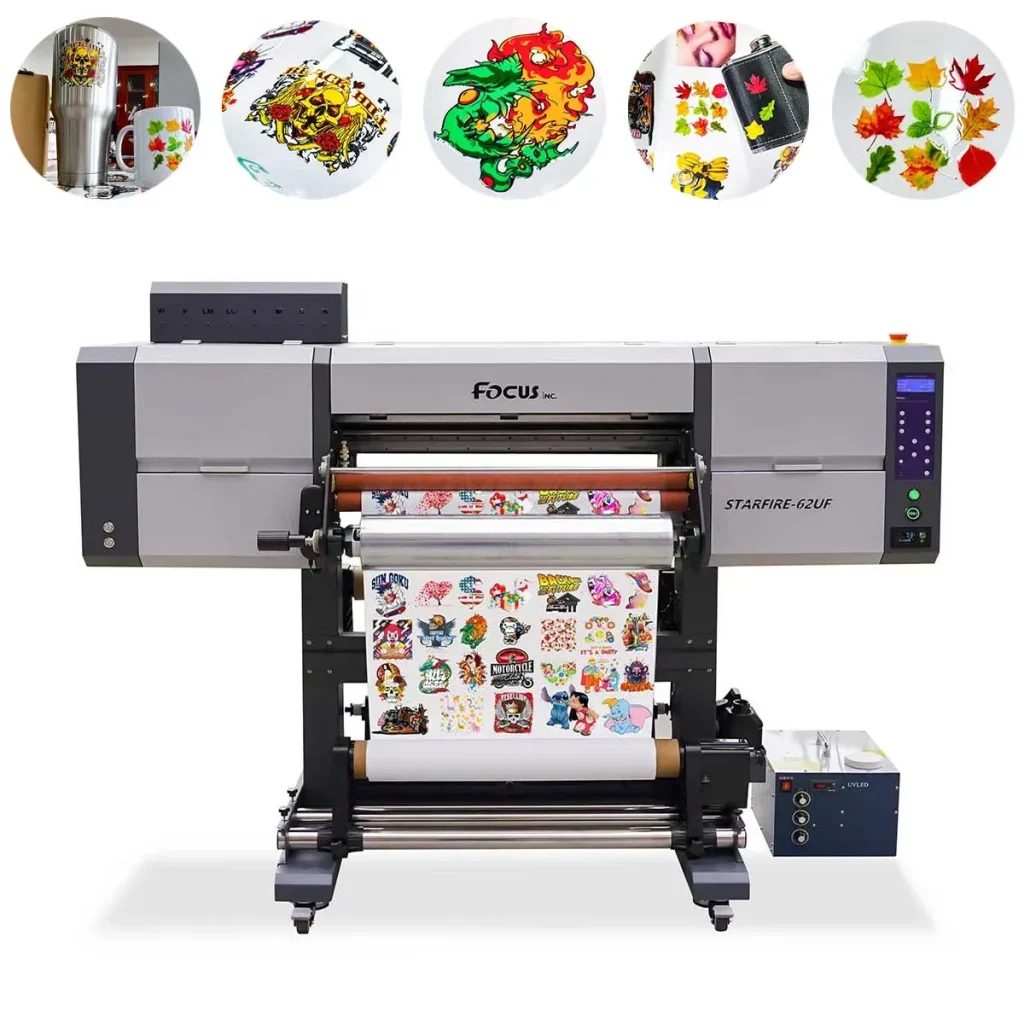
In recent years, UV DTF gangheet printing has emerged as a game-changer in the printing industry, captivating professionals with its exceptional capabilities. This innovative technique blends the efficiency of gangheet printing with the precision of UV technology, producing high-quality prints that are vibrant and long-lasting. By utilizing UV inks, this method significantly reduces waste, making it an essential choice for businesses striving for sustainable printing solutions. The versatility of UV DTF gangheet printing allows for stunning decorative prints on a myriad of surfaces, from textiles to metal, enhancing branding and product appeal. As we delve deeper into this dynamic field, it is crucial to explore the techniques and trends that are revolutionizing high-volume printing today.
Revolutionizing the world of print, the UV Direct-to-Film (DTF) gangheet methodology offers a remarkable synergy of speed and quality. This groundbreaking approach not only ensures the creation of decorative designs but also facilitates simultaneous printing of multiple images in a single run, maximizing efficiency. With the rising need for sustainable printing practices, this technique prioritizes eco-conscious materials that minimize environmental impact while producing resilient graphics. Emphasizing high-quality printing, UV DTF presents a robust solution for businesses seeking vibrant, enduring results across various applications. Thus, understanding these alternative printing practices is vital for any organization looking to stay ahead in a competitive marketplace.
The Appeal of UV DTF Gangheet Printing
UV DTF gangheet printing has garnered significant attention due to its efficiency and versatility in producing high-quality prints. One of the most appealing aspects of this innovative printing technique is its ability to handle multiple designs simultaneously while maintaining outstanding quality. This not only saves time but also reduces production costs, making it an attractive option for businesses looking to scale their printing operations. The technology behind this process allows for a wide range of applications, from promotional items to decorative prints, enhancing its appeal across various industries.
Beyond just efficiency, the durability of UV DTF gangheet printing is another major advantage. The prints produced through this method are resistant to fading and wear, ensuring that colors remain vibrant even under challenging environmental conditions. This makes it particularly suitable for products that require longevity, like outdoor signage or apparel. By embracing this advanced printing technique, businesses can ensure they deliver high-quality, long-lasting prints that meet consumer demands for both durability and aesthetic appeal.
Exploring the Sustainability Aspect of UV DTF Printing
In today’s eco-conscious market, sustainability has become a critical factor influencing printing practices. UV DTF printing stands out as a forward-thinking method that integrates sustainable practices, particularly through its use of low-VOC inks which significantly minimize environmental impact. As businesses become more aware of their carbon footprint, adopting UV DTF printing can position them as leaders in sustainable printing. The eco-friendly inks not only offer high-quality results but also cater to consumers increasingly seeking sustainable options in their purchases.
Moreover, the efficiency of UV DTF gangheet printing also contributes to sustainability efforts by reducing material waste commonly associated with traditional printing methods. By maximizing the use of substrates and decreasing the number of required print runs, businesses can achieve greater efficiency while being kinder to the planet. This dual advantage—delivering superb print quality while promoting environmentally conscious practices—makes UV DTF an attractive choice for those in the printing industry committed to sustainability.
Techniques for Enhancing Print Quality
To achieve stunning results in UV DTF gangheet printing, attention to detail during the ink selection process is paramount. High-quality inks not only enhance color brightness and depth but also significantly improve adhesion to a variety of substrates. Manufacturers like Mimaki and Epson are well-known for their superior ink formulations, which have been designed specifically for UV printing applications. Choosing the right ink is critical, and businesses should always opt for inks that are compatible with their chosen substrates to ensure unmatched print quality.
Additionally, meticulous artwork preparation plays a crucial role in determining the final output. It’s essential to produce high-resolution graphics, ideally at a resolution of 300 DPI or higher, to avoid pixelation and ensure clarity in the final prints. Utilizing professional design software can optimize artwork formatting, allowing for cleaner edges and vibrant colors. As a best practice, designers should familiarize themselves with the requirements specific to UV printing to leverage the full potential of the technology, ultimately leading to enhanced quality in the final product.
Printer Calibration and Maintenance Essentials
Regular calibration of the UV DTF printer is vital in maintaining the quality of prints over time. Inconsistent colors can result from improper calibration, leading to frustrating discrepancies in print jobs. Most advanced printers come with built-in calibration tools that aid in this process, ensuring that color reproduction remains consistent across all prints. By investing time in routine checks and calibrating printers as recommended by the manufacturer, businesses can enhance their output quality and reduce wastage caused by print errors.
Moreover, maintaining the printing equipment through regular cleaning and servicing is an essential part of achieving high-quality results. This includes cleaning print heads to prevent clogs, which can cause streaks or color inconsistencies. Additionally, ensuring that the UV curing system is functioning optimally is crucial, as proper curing enhances the adhesion and durability of inks. By prioritizing ongoing maintenance and calibration, businesses can maximize their productivity while achieving stunning and reliable prints.
The Future of UV DTF Printing Technologies
The future of UV DTF printing is marked by rapid advancements as technology continues to evolve. As demand for customizable and high-quality printing solutions increases, manufacturers are innovating to develop faster printing systems that maintain exceptional print quality. These advancements not only cater to existing markets but also open up new opportunities across various sectors, such as home decor and fashion. By embracing emerging trends, businesses can position themselves at the forefront of the printing industry.
In addition, the push for sustainability in printing methods is likely to influence future developments within UV DTF printing technology. As consumer preferences shift toward eco-friendly products, manufacturers are expected to focus on developing inks and processes that reduce environmental impact without compromising quality. This trajectory points toward a future where businesses can not only meet client demands for high-quality prints but also uphold a commitment to sustainability, setting new standards in the industry and unlocking new market possibilities.
Harnessing Market Growth Opportunities
The UV DTF printing sector is witnessing remarkable growth, driven by increasing demand from various industries. Customization has become a vital component of promotional products and packaging, leading businesses to seek reliable printing solutions that offer both quality and versatility. As markets continue to expand, recognizing these growth opportunities will allow businesses to tailor their offerings and adapt to evolving consumer preferences. By embracing UV DTF gangheet printing, companies can take advantage of market trends and strengthen their competitive position.
Furthermore, integrating technology such as online design tools for customers can enhance engagement and streamline the order process. This not only simplifies the design approval stages but also empowers consumers to take an active role in their print projects. Leveraging technology in this manner can lead to an uptick in orders while ensuring that businesses remain adaptable and responsive to market needs. Exploring innovative growth avenues in the ever-evolving UV DTF printing landscape can lead to sustainable success for forward-thinking companies.
Frequently Asked Questions
What are the key benefits of UV DTF gangheet printing?
UV DTF gangheet printing offers several benefits, including high-quality printing on various surfaces, durability of prints against fading and scratching, and enhanced productivity through simultaneous design printing. This method is also eco-friendly, minimizing VOC emissions and emphasizing sustainable printing practices.
How does UV DTF printing differ from traditional printing methods?
Unlike traditional printing methods, UV DTF printing utilizes ultraviolet light to cure inks, allowing for vibrant and durable prints. The gangheet printing technique further increases efficiency by enabling the production of multiple designs at once, thus reducing setup time and costs.
What materials can I print on using UV DTF gangheet printing?
UV DTF gangheet printing is versatile and can be used on a wide range of materials including wood, metal, acrylic, and textiles. This capability makes it suitable for various applications such as promotional items, home decor, and custom fashion designs.
How can I achieve high-quality prints with UV DTF gangheet printing?
To achieve high-quality prints with UV DTF gangheet printing, focus on using high-quality UV inks, preparing high-resolution artwork, selecting the appropriate substrates, and maintaining regular printer calibration. These steps will enhance color vibrancy and ensure exceptional print durability.
Is UV DTF gangheet printing environmentally sustainable?
Yes, UV DTF gangheet printing prioritizes sustainability, with many manufacturers developing eco-friendly inks that reduce harmful emissions. This printing method also aims to minimize waste through efficient production techniques, helping businesses reduce their environmental impact.
What are the latest trends in UV DTF printing technology?
The latest trends in UV DTF printing technology include a strong focus on sustainability, with advancements in eco-friendly inks and processes. Additionally, there is increasing demand for customization and high-quality decorative prints across various industries, driving growth in UV printing capabilities.
| Key Points | Details |
|---|---|
| Introduction | UV DTF gangheet printing combines advanced technology and efficiency, allowing vibrant prints on various surfaces while minimizing waste. |
| Understanding UV DTF Printing | Utilizes UV light to cure inks on film which are then transferred to surfaces, producing high-resolution colors. |
| Advantages | 1. Versatile across many surfaces. 2. Durable due to UV inks. 3. Eco-friendly options reducing VOC emissions. |
| Techniques for Stunning Results | 1. High-quality ink selection. 2. Proper artwork preparation. 3. Regular printer calibration. 4. Suitable substrate selection. 5. Routine maintenance. |
| Recent Trends | 1. Focus on sustainability with eco-friendly practices. 2. Growing market in sectors like fashion and decor, driven by demand for customization. |
| Best Practices | Conduct sublimation tests, invest in quality equipment, and stay updated on industry trends. |
Summary
UV DTF gangheet printing is making significant advancements in the printing industry, characterized by its ability to produce high-quality, vibrant prints efficiently. By leveraging techniques such as high-quality ink selection and regular printer maintenance, businesses can ensure exceptional output that meets client demands. Additionally, the increasing focus on sustainability and the ability to print on diverse surfaces are enhancing the appeal of UV DTF gangheet printing. As technology continues to evolve, this method promises to offer even greater possibilities for businesses aiming to stand out in a competitive marketplace.