
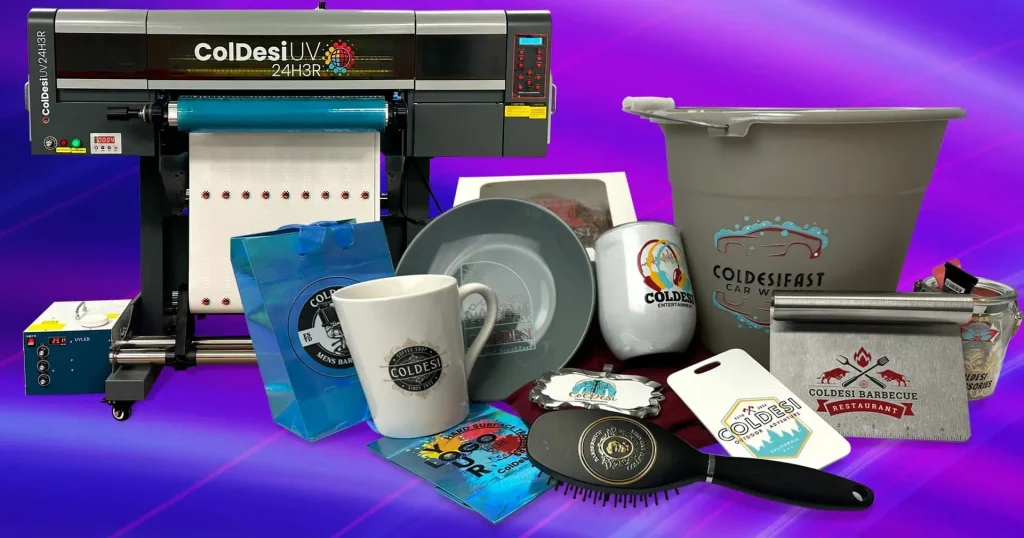
UV DTF printing, also known as UV Direct to Film printing, is revolutionizing the way vibrant and detailed images are transferred onto various surfaces using cutting-edge UV-cured inks. This modern technology merges the efficiency of DTF transfer methods with the lasting qualities of UV printing techniques, offering unmatched versatility for industries ranging from textiles to promotional items and signage. By harnessing the power of safe UV printing practices, businesses can achieve stunning results that are both durable and eye-catching. In this article, we will delve into essential UV DTF printing tips designed to guide both beginners and seasoned professionals alike in optimizing their printing processes. Equip yourself with the knowledge to transform your projects and captivate your audience with the exceptional quality that UV DTF printing offers.
UV DTF printing, or ultraviolet Direct to Film printing, represents a groundbreaking method that enables high-quality, detailed prints on a variety of materials utilizing ultraviolet inks. This printing approach integrates advanced Direct to Film techniques with the benefits of UV applications, making it a sought-after option for diverse sectors including textiles, signage, and custom products. By understanding the fundamental aspects of this printing methodology, including the necessary safety protocols and equipment requirements, one can ensure successful print production. This article aims to provide insightful guidelines and hidden gems within the UV printing realm, focusing on effective DTF transfer methods to enhance final output quality. Prepare to explore a world where innovation meets practicality in the realm of printing.
Essential Equipment for UV DTF Printing Success
Choosing the right equipment is crucial for successful UV DTF printing. A high-resolution printer capable of providing at least 1440 dpi is essential to produce vibrant and detailed images. This level of clarity ensures that the final product meets professional quality standards, whether you are printing on textiles, plastics, or rigid surfaces. Furthermore, investing in printers that are compatible with a range of ink types will grant you the flexibility needed for diverse printing applications, making it easier to adapt to various customer needs and market trends.
Maintaining your equipment is equally important. Consider printers that feature user-friendly maintenance processes to reduce downtime effectively. User-friendly design and easy-to-access components will allow you to clean and conduct routine checks without intricate technical knowledge. Low-maintenance machines not only enhance productivity but also extend the lifespan of your equipment, enabling you to produce high-quality prints consistently.
Frequently Asked Questions
What are the essential tips for effective UV DTF printing?
To achieve optimal results with UV DTF printing, focus on high-resolution output, select specialized films, ensure your substrates are compatible with UV inks, and conduct thorough test runs before larger print jobs. Proper color management and selecting suitable inks are also crucial for vibrant and durable prints.
How does UV DTF printing compare to traditional DTF transfer methods?
UV DTF printing combines the benefits of traditional DTF transfer methods with UV printing techniques, offering better durability and versatility on various substrates. Unlike traditional methods, UV DTF uses UV-cured inks that can adhere to a wider range of materials, resulting in bolder colors and longer-lasting prints.
What materials are best suited for UV DTF printing?
The best materials for UV DTF printing include specialized films designed for UV inks, along with compatible substrates like textiles, plastics, and metals. It’s essential to ensure these materials’ surfaces allow for proper adhesion and support the durability of the final prints.
What pre-treatment techniques are recommended for UV DTF printing?
Pre-treatment techniques vary depending on the substrate. For textiles, using appropriate pre-treatment solutions can enhance ink adhesion and print vibrancy. Researching and experimenting with different pre-treatments can help achieve the best results for specific materials.
How can I ensure safety while using UV DTF printing technologies?
To ensure safety during UV DTF printing, make sure your workspace is well-ventilated to handle fume emissions, wear personal protective equipment (PPE) like gloves and UV-protective eyewear, and follow manufacturers’ safety guidelines for handling UV inks.
What software should I use for UV DTF printing?
Invest in high-quality design software that supports UV printing and allows for effective color management. Features to look for include color adjustment capabilities, color profiling options, and compatibility with various ink types to ensure consistent color accuracy across different print jobs.
| Key Points | Details |
|---|---|
| Introduction | UV DTF printing integrates DTF transfer methods with UV printing, allowing vibrant prints on diverse surfaces. |
| Understanding UV DTF Printing | The process involves printing on specialized film with UV inks that are cured by UV light for vibrant colors and durability. |
| Equipment Selection | Choose printers with high resolution (at least 1440 dpi), versatile ink compatibility, and easy maintenance features. |
| Material Considerations | Use specialized films and ensure substrates are compatible with UV inks for optimal quality. |
| Pre-treatment Techniques | Some materials require pre-treatment to improve adhesion and enhance color durability. |
| Software and Color Management | Invest in design software with color adjustment and profiling capabilities for consistent results. |
| Test Runs | Conduct trial prints to fine-tune settings and ensure quality before full production. |
| Safety Precautions | Ensure proper ventilation and use PPE to protect against harmful inks and UV exposure. |
Summary
UV DTF Printing is a revolutionary process that combines the immediacy of Direct to Film printing with the vibrant, durable results of UV inks. The technology allows for detailed prints on various surfaces, making it ideal for industries ranging from textiles to promotional items. With attention to equipment selection, material compatibility, and safe operating procedures, users can produce high-quality prints that stand out in the marketplace. As you navigate the exciting world of UV DTF printing, remember that careful preparation, effective software, and thorough testing are keys to ensuring success and achieving remarkable results.