
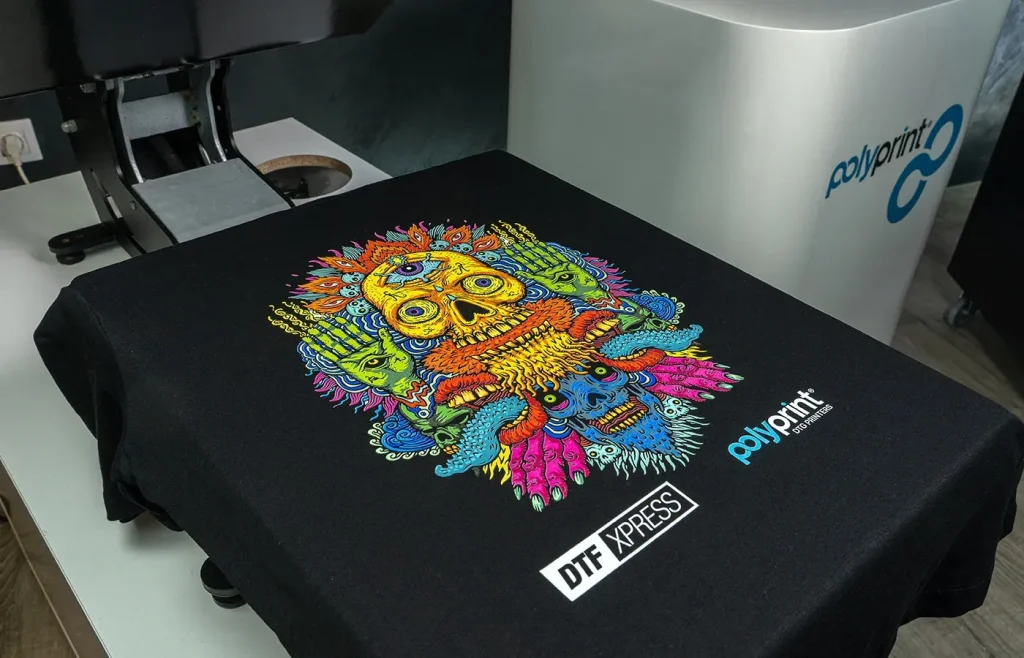
DTF printing, or Direct-to-Film printing, is revolutionizing the way people approach fabric decoration, appealing to both beginners and seasoned professionals. This innovative printing method allows you to produce vibrant designs that can be easily transferred to a variety of textiles, making it a versatile choice for many applications. In this blog post, we will explore essential tips for beginners looking to dive into the world of DTF printing, providing insights on equipment and techniques to maximize printing quality. Whether you’re curious about how to DTF print or searching for a comprehensive beginner’s guide to DTF printing, we have you covered. Prepare to unlock the full potential of your creativity as we guide you through the exciting realm of DTF printing and its endless possibilities.
Direct-to-Film printing, commonly known as DTF, has emerged as an exciting alternative to traditional textile printing methods. This process involves printing vibrant designs onto special film, which are then heat pressed onto various fabric materials. Often seen as an accessible entry point into the world of fabric decoration, DTF printing appeals to those looking to enhance their design capabilities without the steep learning curve of other printing techniques. From understanding the necessary DTF printing equipment to mastering essential techniques, this guide aims to equip aspiring printers with the knowledge they need to succeed. If you’re eager to learn more about this dynamic printing method, you’re in the right place!
Getting Started with DTF Printing: A Beginner’s Overview
Direct-to-Film (DTF) printing is revolutionizing how both hobbyists and professionals approach fabric printing. This method presents a user-friendly option for beginners embarking on their printing journey. With its straightforward process, DTF printing allows users to apply intricate designs onto textiles without needing extensive experience in more traditional printing techniques. By understanding the fundamentals of this innovative printing approach, beginners can quickly see their creative visions translate into tangible products.
At its core, DTF printing combines digital technology with conventional screen printing techniques. This process begins with printing designs onto a specialized film, followed by transferring the prints to fabric using a heat press. The result is a vibrant, long-lasting design that adheres well to various materials. As a beginner, recognizing the efficiency and versatility of DTF printing will empower you to explore a wide range of creative possibilities.
Essential Equipment for Successful DTF Printing
Having the right equipment is critical in establishing a successful DTF printing setup. The first essential piece of equipment is a high-quality inkjet printer that supports pigment inks. This printer should be capable of delivering detailed graphics at high resolutions, ensuring your designs maintain their integrity during the transition from film to fabric. Additionally, investing in an efficient heat press will provide the necessary temperature control and pressure required for optimal adhesion, making it a must-have tool for any beginner.
In addition to the printer and heat press, ensure you have the right DTF transfer film and adhesive powder. The transfer film acts as the canvas for your designs, while the adhesive powder is instrumental in binding your prints to the fabric. Choosing high-grade materials can significantly affect the final output quality and durability of your prints. Therefore, newcomers should prioritize investing in quality equipment to ensure long-lasting, visually appealing creations.
Step-by-Step Guide to DTF Printing Techniques
To begin your DTF printing process, the first step involves creating a design using graphic design software, such as Adobe Illustrator or CorelDRAW. Beginners are encouraged to start with simple designs that utilize vibrant colors to ensure easy printing and effective transfers. It’s essential to think about the end material; ensuring your artwork aligns with the fabric’s characteristics will lead to better results. High-resolution graphics will give you cleaner, more professional outputs.
The printing process itself is crucial for success in DTF printing. After preparing your design, print directly onto the DTF film, adjusting the printer settings for optimal quality. Once printed, generously sprinkle the adhesive powder over the wet ink, allowing for an even and thorough distribution. After the powder adheres adequately, curing it with heat activates its bonding properties. Following these steps meticulously will greatly enhance the outcome of your DTF print projects.
Advice for Mastering DTF Printing Skills
As a beginner in DTF printing, practice is key to mastering the skills necessary for successful projects. Don’t shy away from experimentation; the journey often involves a fair amount of trial and error. Try out different heat settings, pressure applications, and materials to find what works best for your particular setup. Each failure provides an essential learning opportunity, paving the way for future successes in your printing endeavors.
Quality control is also paramount in DTF printing. Regularly evaluate both the output and your materials, ensuring that inks and films are of high quality. Investing in premium supplies can dramatically impact the vibrancy and durability of your prints. Additionally, exploring varied design techniques, including gradients and textures, can enrich your work and keep your printing adventure fresh and engaging.
Getting Involved in the DTF Printing Community
Becoming part of the DTF printing community can significantly elevate your skills and knowledge. Engaging with fellow printers through online forums and social media groups can provide access to valuable insights and troubleshooting tips. Additionally, showcasing your work to receive feedback can foster a supportive environment where learning flourishes. Community involvement not only allows you to share your achievements but also opens the door to collaboration and inspiration.
In addition to community support, take advantage of the vast array of online resources dedicated to DTF printing. Many websites, educational platforms, and YouTube channels offer tutorials, printable kits, and insider hacks that can enhance your printing experience. Staying informed about the latest trends and techniques through these resources will ensure that your skills remain sharp and that you are continually inspired.
Understanding Legal Aspects of DTF Printing
For those intending to market their DTF prints, understanding copyright laws is crucial. It’s vital to familiarize yourself with the implications of using copyrighted materials in your designs to avoid legal issues. Opting to create original artwork or to obtain licenses for existing designs ensures you protect yourself legally while also fostering creativity. Taking the time to learn about intellectual property rights will help sustain a successful printing venture in the long run.
Moreover, safeguarding your designs can enhance your reputation as a serious business owner in the DTF printing arena. Applying for copyrights on your unique creations not only protects your work but also boosts your credibility with potential customers. As a burgeoning printer, ensuring legal compliance from the outset of your venture will provide peace of mind and allow you to focus on what you love—creating beautiful prints.
Frequently Asked Questions
What is DTF printing and how does it work?
DTF printing, or Direct-to-Film printing, is a printing technique where designs are printed onto a special transfer film. After printing, the film is heat pressed onto fabric, allowing the ink and adhesive to bond with various materials such as cotton and polyester. This method results in vibrant, durable prints that are ideal for apparel.
What equipment do I need to start DTF printing?
To get started with DTF printing, you will need a reliable inkjet printer that supports pigment inks, a heat press machine, DTF transfer films, and adhesive powder. Investing in high-quality equipment ensures better print results and a smoother printing process.
Can you provide some DTF printing tips for beginners?
Absolutely! For beginners in DTF printing, here are some tips: start with simple designs, test various heat and pressure settings, keep a close eye on the quality of your materials, and don’t hesitate to experiment with different techniques. Practicing and refining your skills will lead to improved results.
How do I properly set up my printer for DTF printing?
To properly set up your printer for DTF printing, ensure that it supports high-resolution printing and pigment inks. Adjust the printer settings according to the film type you are using, and perform test prints to fine-tune ink density and color output for the best results.
What are the common mistakes to avoid in DTF printing?
Common mistakes in DTF printing include using low-quality transfer films, inadequate curing of adhesive powder, and incorrect heat press settings. Always test your equipment and materials, and ensure you follow recommended guidelines to achieve high-quality prints.
Where can I find resources to learn more about DTF printing?
For resources on DTF printing, look for online forums, YouTube channels dedicated to textile printing, and specialized websites offering tutorials and community support. Engaging with experienced printers can provide valuable insights and enhance your skills.
| Key Points | Details |
|---|---|
| What is DTF Printing? | DTF (Direct-to-Film) printing is a method where designs are printed onto a special film and then transferred to fabric using a heat press. |
| Essential Equipment | 1. **Printer**: An inkjet printer that supports pigment inks. 2. **Heat Press**: For transferring designs. 3. **DTF Transfer Film**: Special film for printing. 4. **Adhesive Powder**: Bonds ink to fabric. |
| Steps to Get Started | 1. **Design Creation**: Use software to create designs. 2. **Printing Process**: Print on DTF film, apply adhesive powder, cure it with heat. 3. **Transfer Technique**: Use heat press to transfer design to fabric. |
| Tips for Success | 1. Experiment with settings for best results. 2. Use high-quality materials for durability. 3. Start simple and gradually explore complex designs. |
| Community and Resources | Engage with online forums and local groups for support. Utilize tutorials and resources to enhance skills. |
| Legal Considerations | Understand copyright laws and protect your designs to sustain your business. |
Summary
DTF printing is a revolutionary method for both beginners and experienced printers, offering a unique approach to transferring designs onto fabric. This technique combines creativity with usability, making it an appealing choice for anyone interested in fabric decoration. As you explore this exciting realm, remember that understanding essential equipment, mastering printing processes, and engaging with a community can significantly enhance your DTF printing journey. The possibilities are endless, from simple designs to vibrant, complex artworks, and through continuous learning and experimentation, you can elevate your craft and produce stunning results.