
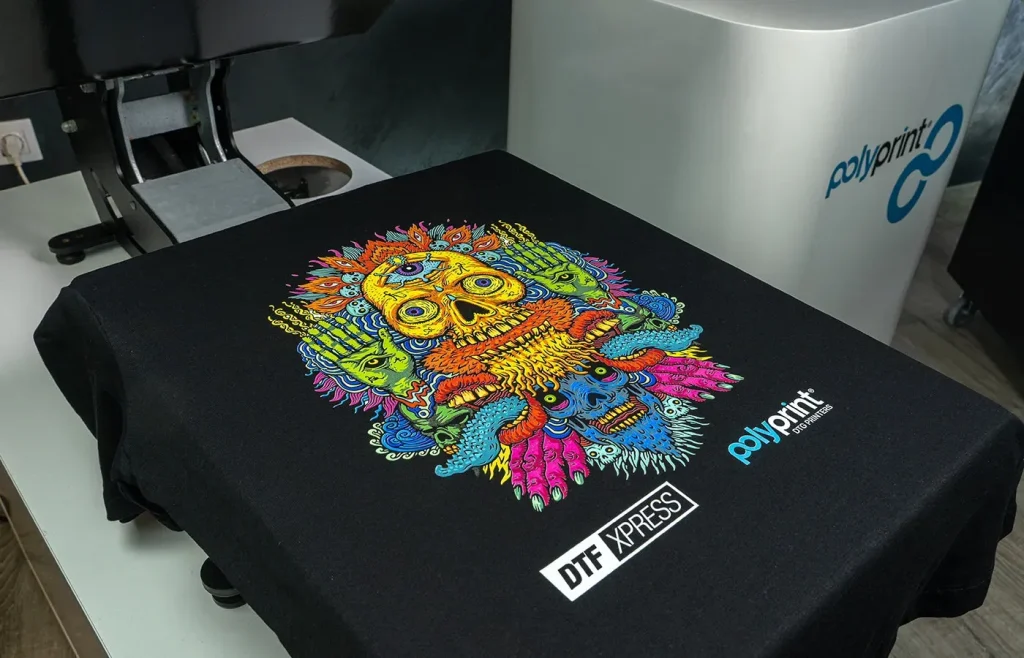
DTF printing, or Direct to Film printing, has rapidly established itself as a revolutionary force in modern printing technology. This innovative approach allows print shops to easily transfer stunning designs onto a variety of materials, particularly textiles, using a streamlined process. With its rise in popularity, DTF printing is becoming the go-to method for custom garment printing, enabling businesses to meet diverse customer demands with ease. As more print shop technologies emerge, the advantages of DTF become increasingly apparent, boasting higher quality outputs coupled with cost efficiency. In this article, we’ll delve into the transformative impact DTF printing is having on the industry, highlighting why it stands out from traditional print methods.
Known also as Direct to Film technology, this contemporary method of garment printing is gaining traction due to its remarkable efficiency and versatility. Print providers are leveraging this innovative technique to produce customized apparel with vivid colors and intricate details, effectively meeting the growing consumer appetite for personalized products. As print shops transition from conventional methods like screen printing, the advantages offered by DTF are reshaping the landscape of custom textile printing. This paradigm shift is not just about adopting new machinery; it encapsulates a broader movement towards sustainable practices and faster production times in the evolving world of print services. Let’s explore the key benefits that propel DTF forward as a leading choice in the competitive printing market.
Understanding DTF Printing Technology
**Direct to Film (DTF) printing** is revolutionizing print shop technologies by offering a modern solution to garment printing. Unlike traditional methods such as screen printing, DTF utilizes a specialized film onto which designs are printed. This film is then applied to fabrics using heat and pressure, allowing for a range of colors and designs to be transferred with exceptional clarity. The significance of DTF printing lies in its efficiency and adaptability, making it an appealing option for businesses looking to expand their printing capabilities.
Furthermore, DTF printing technology supports a diverse array of materials like cotton, polyester, and blends, catering to a broad spectrum of customer demands. This versatility contrasts sharply with older techniques that often limit designs based on fabric type. As print shops transition to DTF, they can offer innovative and customized solutions that resonate with modern consumer preferences, including personalized apparel that stands out in a crowded marketplace.
Advantages of DTF Printing in Custom Garment Production
One of the standout benefits of using **DTF printing** for custom garment production is its cost-effectiveness. Unlike screen printing, which often demands high setup costs and larger minimum orders, DTF technology allows for on-demand fulfillment. This financial flexibility is essential for smaller print shops or those that cater to niche markets, as it enables them to accept smaller or unique orders without incurring significant costs.
Additionally, the high-quality output achieved through DTF printing cannot be overstated. The inks used in this process deliver vibrant colors and sharp details that meet customer expectations for quality. This ensures that each custom garment not only looks good upon delivery but also withstands everyday wear and laundering, thus enhancing customer satisfaction and repeat business.
The Environmental Benefits of DTF Printing
As sustainability becomes more critical across industries, **DTF printing** offers print shops a viable option for reducing their environmental footprint. This technique consumes less ink and materials compared to traditional practices, thereby minimizing waste. Furthermore, the DTF process does not require water for cleaning, which significantly lowers the overall resource consumption.
Print shops adopting DTF technology are not just improving their bottom line; they are also aligning with eco-friendly practices that resonate with today’s environmentally conscious consumers. By emphasizing their commitment to sustainability, print shops can enhance their brand image and attract customers who prioritize eco-friendly production methods.
Challenges Faced by Print Shops in Adopting DTF Technology
While the benefits of **DTF printing** are numerous, print shops must also contend with various challenges in implementing this technology. One significant hurdle is the initial investment in equipment and materials. This upfront cost can be daunting, especially for smaller businesses, as they weigh the long-term benefits against immediate financial constraints.
Another challenge involves the need for specialized training. Transitioning from traditional printing methods to DTF requires staff to understand new processes and technologies. Without proper training, print shops may encounter setbacks, leading to subpar quality and inefficiencies in production. Thus, ensuring that employees have the necessary skills and knowledge is crucial for a successful transition.
The Future of Custom Printing with DTF Technology
The rise of **DTF printing** positions it as a leading force in the future of custom garment printing. As e-commerce continues to thrive, the demand for personalized and unique products will only increase. Print shops that invest in DTF will be well-equipped to meet these evolving consumer needs, offering high-quality, custom prints with quicker turnaround times.
Moreover, as printing technology progresses, we can expect further enhancements in DTF processes, including automation and improved ink formulations. This evolution will not only streamline operations but also enhance the quality and durability of prints, solidifying DTF printing’s place at the forefront of print shop technologies.
The Growing Demand for Personalized Products in the Market
In recent years, there has been a notable surge in the demand for personalized products among consumers, driven by a desire for individuality and unique expression. Print shops capitalizing on this trend are increasingly adopting **Direct to Film (DTF printing)** to cater to these preferences. Customizations, whether for fashion apparel or specialty merchandise, can be efficiently produced using DTF technology, allowing businesses to respond quickly to market shifts and customer desires.
As print shops embrace DTF technology, they are not only able to produce small, customized batches of clothing but also expand their offerings beyond traditional garments. Items like bags, home textiles, and promotional goods become viable products, allowing print businesses to diversify their portfolio and attract a wider customer base. This adaptability plays a crucial role in sustaining business growth in an ever-changing landscape.
Frequently Asked Questions
What is DTF printing and how does it work?
Direct to Film (DTF) printing is a modern printing technology that allows designs to be printed onto a special film, which is then transferred to textiles using heat and pressure. This process not only makes it suitable for various materials like cotton and polyester but also ensures vibrant and durable prints.
Why should print shops consider switching to DTF printing?
Print shops should consider DTF printing due to its cost-effectiveness, versatility, and high-quality output. With reduced preparation time and the ability to handle small batch orders, DTF technology meets the needs of today’s market, enhancing customer satisfaction.
What are the advantages of using DTF printing for custom garment printing?
DTF printing offers several advantages for custom garment printing, including excellent print clarity, compatibility with diverse fabrics, and faster turnaround times. This makes it an ideal choice for businesses looking to provide high-quality, personalized products to their customers.
How does DTF printing compare to traditional printing methods?
DTF printing differs from traditional methods like screen printing in several ways: it requires less setup, allows for small batch production, and provides superior color vibrancy and durability on various material types, ultimately leading to increased efficiency for print shops.
Is DTF printing environmentally friendly?
Yes, DTF printing is considered more environmentally friendly than traditional printing technologies. It minimizes waste by using less ink and material and requires no water for cleaning, which significantly reduces the overall carbon footprint of print shop operations.
What challenges do print shops face when adopting DTF printing technology?
While DTF printing presents numerous benefits, print shops may encounter initial investment costs and the need for staff training to effectively use the technology. Additionally, sourcing high-quality inks is crucial to achieving the best results in durability and color accuracy.
| Key Point | Description |
|---|---|
| What is DTF Printing? | A modern technique for transferring designs onto textiles using heat and pressure on special film. |
| Versatility in Materials | Compatible with various materials (cotton, polyester, nylon) for diverse product offerings. |
| Cost-Effective Production | Enables small batch production without high initial costs, suitable for custom orders. |
| High-Quality Output | Excellent color saturation and durability of prints, making them long-lasting. |
| Faster Turnaround Times | Increased production speed, facilitating quick order fulfillment and market response. |
| Reduced Waste and Environmental Impact | Minimized ink use and no water for cleaning contribute to eco-friendly practices. |
| Industry Trends Driving Adoption | E-commerce growth and demand for personalized products boost DTF usage. |
| Challenges of DTF Printing | Initial costs, required training, and ink quality considerations are hurdles for some print shops. |
Summary
DTF printing has emerged as a revolutionary technique in the printing industry, offering numerous advantages over traditional methods. This innovative process not only allows for high-quality prints on a variety of substrates but also promotes greater efficiency and cost savings, making it a preferred choice among print shops. With its ability to meet the growing consumer demand for customization and fast turnaround times, DTF printing is poised to play a significant role in shaping the future of the printing landscape.