
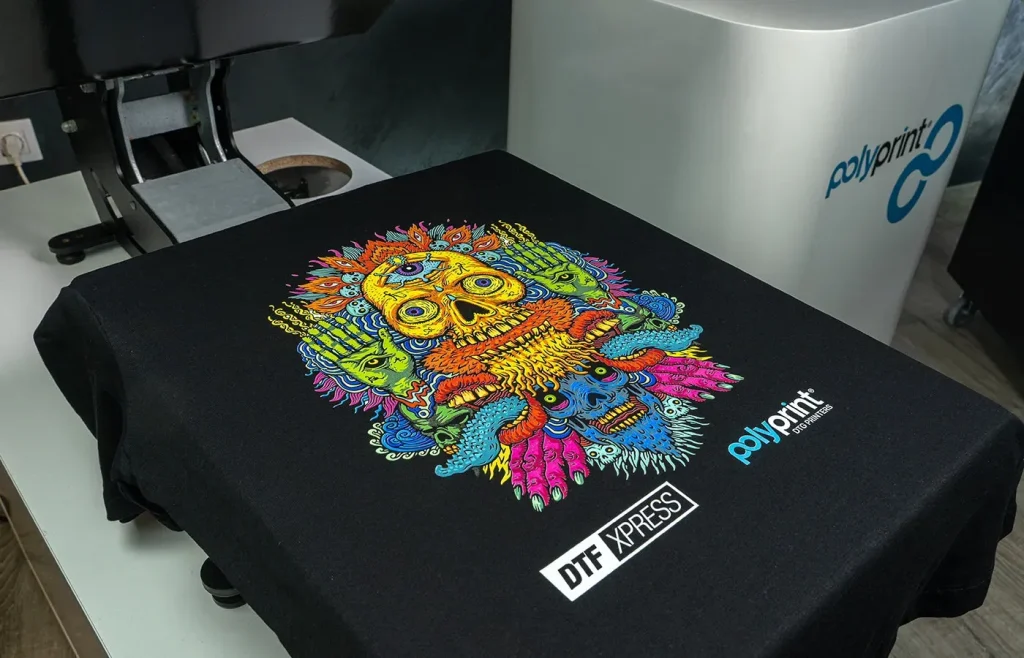
DTF printing, or Direct-to-Film printing, is revolutionizing the way designs are transferred onto fabrics, offering significant advantages over traditional printing methods. This modern technique employs a unique film transfer process that allows for vibrant, detailed designs to adhere seamlessly to a variety of materials. Compared to other methods such as screen printing, DTF printing not only boosts creativity with its intricate capabilities but also emphasizes sustainability in printing practices, reducing waste and chemical usage. As consumers increasingly seek print-on-demand services that cater to personalized needs, the practicality of DTF printing stands out. In the ongoing discussion of DTF vs screen printing, the former emerges as a compelling option for businesses and artists focused on efficiency and quality.
Direct-to-Film (DTF) printing represents a cutting-edge approach within the broader realm of textile printing technologies. Often discussed alongside traditional printing techniques, such as screen printing and sublimation, DTF is gaining traction due to its versatility and environmental benefits. Manufacturers are embracing this innovative method, which not only reduces waste but also adapts easily to various fabric types, making it ideal for small businesses and rapid order fulfillment. With an emphasis on sustainability in printing and the rise of print-on-demand services, alternatives like DTF are reshaping industry practices. As we explore the landscape of modern printing, the distinct advantages of DTF over traditional methods can no longer be overlooked.
What is DTF Printing and How Does It Work?
Direct-to-Film (DTF) printing is a revolutionary technology that enables the transfer of custom designs onto various fabrics using a specialized transfer film. This method involves printing the design onto a film with a specific ink followed by applying a heat transfer process to fix the design onto fabric. One of the most significant advantages of DTF printing lies in its ability to accommodate intricate designs and vibrant colors without the material limitations that often accompany traditional printing methods. Unlike screen printing, which requires separate screens for each color and can become convoluted with multi-colored designs, DTF streamlines the workflow, allowing for quicker production times and less overhead.
The process of DTF printing begins by preparing the film with the desired design, where high-quality images are printed with precision. After the printing, a heat-activated adhesive is applied, making it ready for transfer onto the fabric. This seamless transition ensures that the final product captures the nuances of the original design, maintaining clarity and longevity. Businesses that choose DTF printing can cater to diverse customer requests, adapting quickly to varying fabric types and print dimensions, making it a versatile choice in the evolving landscape of printing technologies.
Sustainability in DTF Printing: A Green Solution
As environmental responsibility becomes increasingly crucial in various industries, DTF printing stands out as a sustainable alternative to traditional printing methods. DTF printing significantly reduces waste by minimizing the number of materials needed for production and lessening the reliance on harmful chemicals. Traditional screen printing processes often require the use of excessive inks and solvents, generating both physical and environmental waste, which contrasts sharply with the eco-friendly approach embraced by DTF technology. By producing less waste and conserving resources, DTF printing aligns itself with sustainable business practices, making it an attractive option for conscious consumers and businesses alike.
Moreover, DTF printing utilizes less water than other methods, directly addressing one of the pressing issues related to sustainability in manufacturing. Companies investing in DTF technology are not only reaping the benefits of efficient printing but also enhancing their green credentials in a competitive market. As consumers become more informed and concerned about their purchasing choices, businesses employing environmentally friendly practices experience an uptick in customer loyalty, potentially leading to increased profitability and a solidified reputation within the industry.
The Advantages of DTF Printing Over Traditional Methods
DTF printing presents several significant advantages that make it an appealing choice for businesses and creators alike. Unlike traditional methods like screen printing, which often involve lengthy setup times and considerable resources for bulk orders, DTF allows for quick production even for small runs. This makes it particularly beneficial for print-on-demand services, where speed and flexibility are paramount. Furthermore, the quality of DTF printed designs is often superior, displaying vibrant colors and intricate details that stand the test of time, proving advantageous for customers seeking long-lasting prints.
Another notable advantage of DTF printing is its affordability when compared to traditional printing methods. Screen printing can become prohibitively expensive once you factor in setup costs, especially for multi-color designs. In contrast, DTF printing eliminates many of these costs and barriers, allowing smaller businesses and independent creators to enter the market without a significant financial investment. This democratization of printing technology encourages creativity and innovation, making high-quality printing accessible to a broader audience.
DTF Solutions for Print-On-Demand Services
Print-on-demand services have revolutionized the way businesses operate, allowing them to offer customized textile products without the overhead of maintaining large inventories. DTF printing excels in this area due to its efficiency and versatility. Businesses can quickly print and ship customized products based on individual customer orders, minimizing waste and maximizing customer satisfaction. This model not only caters to consumer demand for personalized items but also significantly reduces financial risk compared to traditional bulk orders that might not sell.
With the capacity to quickly adapt designs and fabrics, DTF printing empowers print-on-demand services to respond proactively to market trends and customer preferences. Whether for custom t-shirts, hoodies or unique merchandise for events, the DTF process streamlines order fulfillment and production. This flexibility enables businesses to innovate and offer a diverse product range without the usual limitations associated with traditional printing methods, solidifying DTF printing as a game changer in the printing industry.
DTF Printing vs. Screen Printing: A Comparison
When weighing the options between DTF printing and screen printing, it is essential to consider both the strengths and limitations of each method. Screen printing has long been favored for its ability to produce bold colors and vibrant imagery on bulk orders, but it has its drawbacks. The setup costs and time associated with screen printing can be significant, especially when dealing with multi-color designs, making it less adaptable for small runs or custom orders. Additionally, the equipment required for screen printing can be a barrier for entry for new or small businesses.
On the other hand, DTF printing provides a more versatile approach, seamlessly accommodating complex designs without the need for extensive setups. This method allows for cost-efficient production of both large and small runs, making it ideal for businesses that need to adjust quickly to changing demands. Furthermore, DTF printing boasts superior durability, providing long-lasting prints that maintain their quality through multiple washes, thus catering to consumer expectations for longevity and performance.
Embracing DTF Printing: The Future of the Printing Industry
As the printing industry evolves, DTF printing emerges as a promising replacement for traditional methods that may not align with the current market demands focusing on sustainability and efficiency. The flexibility of DTF printing, coupled with its user-friendly design, empowers businesses of all sizes to explore new creative possibilities without the constraints of traditional techniques. As consumers increasingly seek unique, custom products, DTF printing provides a practical solution by allowing for rapid turnaround times and high-quality results.
The adoption of DTF printing is poised to reshape the landscape of the printing industry, compelling traditional printers to adapt or innovate. With a commitment to sustainability and reduced waste, businesses deploying this technology will not only enhance their environmental footprint but also position themselves as leaders in a rapidly diversifying market. As more companies adopt DTF printing practices, we can expect to see a significant shift toward eco-friendly, efficient, and creative printing solutions that cater to the expanding consumer base.
Frequently Asked Questions
What is DTF printing and how does it differ from traditional printing methods?
DTF printing, or Direct-to-Film printing, is a modern printing technique that transfers designs onto a special film before applying them to fabric. Unlike traditional printing methods, such as screen printing, which require separate screens for each color, DTF simplifies the process by allowing vibrant, detailed prints on a variety of materials. This makes DTF particularly appealing for complex designs and diverse fabric types.
What are the sustainability benefits of DTF printing compared to traditional techniques?
DTF printing offers significant sustainability benefits over traditional printing methods. It minimizes waste by using less material and fewer chemicals in the printing process. Additionally, DTF printing consumes less water, contributing to environmentally friendly production. This eco-conscious approach is leading many companies to adopt DTF as a more sustainable alternative.
How does DTF printing enhance print-on-demand services?
DTF printing enhances print-on-demand services by providing fast, efficient, and high-quality prints for custom designs. Its adaptability allows businesses to print on various materials without the complications associated with traditional methods. This is particularly beneficial for entrepreneurs and small businesses looking to meet diverse customer demands quickly and effectively.
What are the advantages of DTF printing over screen printing?
The advantages of DTF printing over screen printing include a simpler setup for complex designs, faster turnaround times, and greater versatility in printing on different fabric types. While screen printing is ideal for large bulk orders, DTF is more user-friendly and suitable for smaller runs and unique designs, making it accessible for crafters and creators.
Can DTF printing deliver quality comparable to traditional printing methods?
Yes, DTF printing can deliver comparable quality, if not better, than traditional printing methods. DTF prints are known for their vibrant colors and excellent detail, with durability that can withstand multiple washes without fading or cracking. This makes it a reliable choice for apparel and other fabric products.
What are the key considerations when choosing between DTF and traditional printing methods?
When choosing between DTF and traditional printing methods, consider factors such as the complexity of your designs, the types of fabrics you intend to use, and your production volume. DTF is ideal for diverse materials and small orders, while traditional methods like screen printing are better suited for large runs with fewer colors. Analyze your specific needs to determine the best printing solution.
| Key Points | DTF Printing | Traditional Printing Methods |
|---|---|---|
| Definition | Directly transfers designs onto fabric via a film process. | Includes methods like screen printing, sublimation, and vinyl cutting. |
| Sustainability | Utilizes less water and chemicals, reducing waste. | Can generate more waste due to materials and chemicals used. |
| Versatility | Works on various fabric types, including cotton and polyester. | Limited to specific fabrics and requires setup for different materials. |
| User Accessibility | Simple process, making it ideal for crafters and small businesses. | More complex and requires specialized setup for beginners. |
| Print Quality | Produces vibrant colors and durable prints with proper care. | Can vary but often requires careful handling, especially with colors. |
Summary
DTF printing has emerged as a revolutionary technology within the printing industry, offering a modern alternative to traditional printing methods. This innovative printing process not only enhances sustainability by minimizing waste and chemical usage but also provides unparalleled versatility across a range of fabric types. By simplifying the printing process, DTF printing becomes accessible to creators and small business owners alike, enabling quicker turnaround times and high-quality results. As businesses increasingly seek efficient and eco-friendly printing solutions, DTF printing stands out as a vital approach that aligns with contemporary consumer values. This evolution promises to reshape the landscape of printing, inviting new possibilities for creativity and efficiency in various projects.