
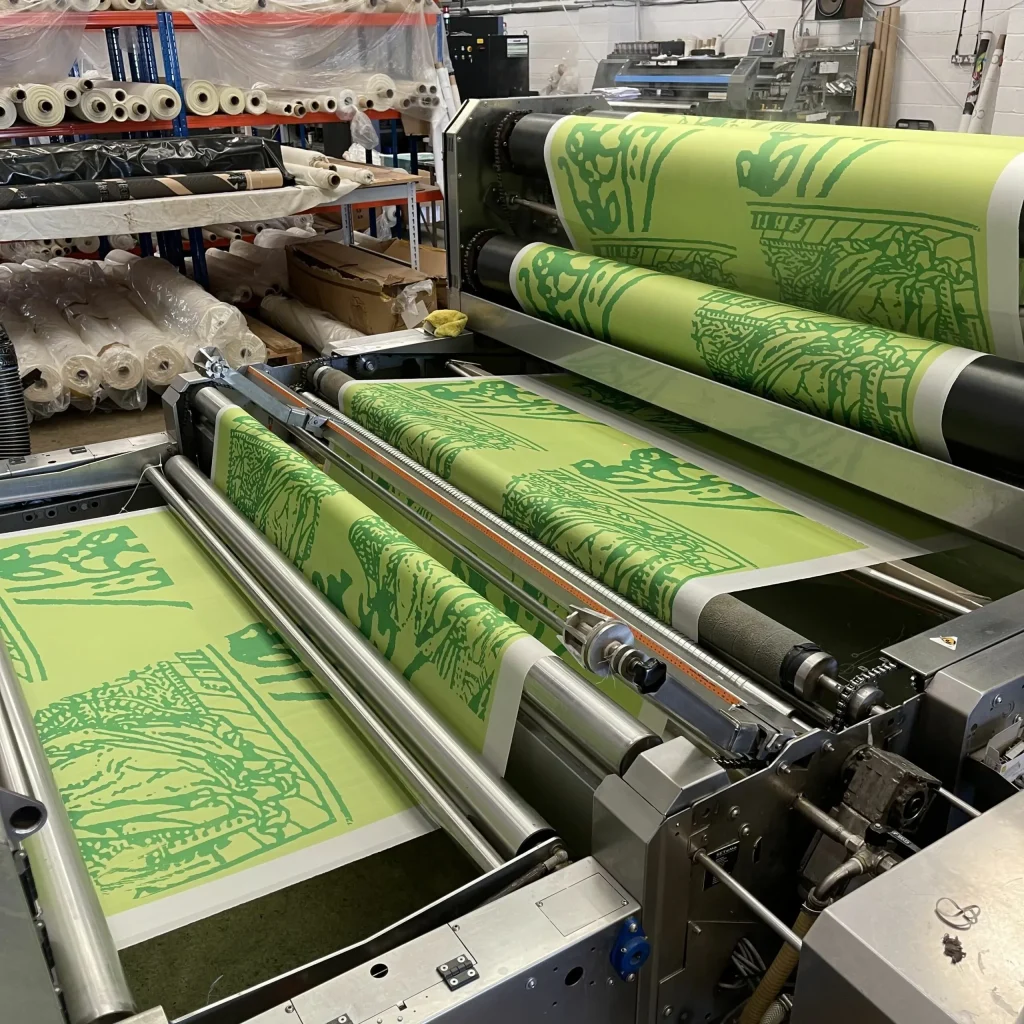
The future of textile printing is bright, vibrant, and increasingly sustainable, thanks in large part to the rise of innovative technologies such as DTF technology. As we navigate through 2025 and beyond, the emphasis on sustainable textile printing practices is reshaping the fashion landscape, making it possible to create stunning designs without compromising the environment. Custom garment printing is not only about personalization anymore; it’s becoming synonymous with eco-friendly printing practices that appeal to the conscientious consumer. Moreover, advances in textile printing innovations are streamlining the processes, reducing waste, and ensuring that businesses can meet the growing demand for quick-turnaround production. This transformative shift is setting a new standard for the industry, opening up exciting opportunities for creativity and entrepreneurship.
In envisioning the upcoming trends in fabric printing, it is essential to recognize how the evolution of this sector is unfolding. The advances in direct-to-fabric printing and specialized techniques are revolutionizing how designs are applied to textiles, which enhances their appeal in contemporary fashion markets. Notably, the focus on environmentally responsible methods is becoming a cornerstone of modern printing practices, influencing how apparel is manufactured and marketed. As we observe these changes, we find that personalized garment creation is becoming a norm rather than an exception, thanks to the accessibility brought forth by innovations in printing technologies. Ultimately, the growth of sustainable practices within the textile sector encapsulates a broader movement towards responsible consumption and creativity, informing a new era in the world of fashion.
The Advantages of DTF Technology in Textile Printing
Direct-to-Film (DTF) technology is revolutionizing the textile printing landscape, primarily due to its ability to produce high-quality prints with unprecedented efficiency. This method allows for the creation of vibrant designs that are rich in detail, catering to the diverse needs of fashion brands and independent designers alike. DTF simplifies the complex process of fabric printing, eliminating many steps associated with traditional techniques like screen printing or direct-to-garment (DTG). With DTF, the need for extensive setup and excessive materials is drastically reduced, leading to significant cost savings and increased productivity for businesses.
Moreover, DTF technology supports a wide range of fabric types, making it highly versatile. Whether printing on cotton, polyester, or blends, this method ensures consistent quality and durability across various materials. It facilitates custom garment printing efficiently, allowing brands to offer personalized products without the high overhead costs typically associated with large production runs. As more companies realize the potential of DTF, its adoption is expected to surge, solidifying its role as a staple in the textile printing industry.
Sustainable Textile Printing: The Eco-Friendly Approach of DTF
Sustainability has become a pivotal concern in the fashion industry, and DTF technology addresses this challenge head-on by minimizing waste during the printing process. Traditional textile printing creates substantial waste, whether through surplus ink, damaged materials, or the byproducts of chemical treatments. In contrast, DTF printing employs precise transfer techniques that significantly reduce excess materials, leading to eco-friendly printing practices that are better for the planet. This focus on sustainability not only helps in reducing the environmental footprint but also attracts environmentally conscious consumers seeking brands aligned with responsible practices.
In addition to reducing waste, DTF technology promotes ethical production by enabling brands to adopt sustainable textile printing methods without compromising on quality or creativity. For instance, the use of water-based inks and non-toxic adhesives in the DTF process aligns with the demand for safer and eco-friendly products. By choosing DTF, businesses not only enhance their brand identity through sustainability but also appeal to a growing market of consumers who prioritize eco-conscious decisions in their purchasing habits.
Textile Printing Innovations Driving DTF Adoption
As DTF technology matures, it is continually being enhanced by new innovations that improve its efficiency and quality. Recent advancements in ink formulations, printer mechanisms, and software integration have significantly expanded the capabilities of DTF machines, allowing for faster production times and more intricate designs. Innovations such as high-speed printers and automated processes enable businesses to meet the growing demand for custom garment printing, positioning DTF at the forefront of textile printing technology. Furthermore, the integration of digital design platforms with printing processes streamlines operations, making it even easier for designers to bring their visions to life.
Continued research and development will likely yield even more groundbreaking innovations in the coming years. As industry leaders invest in expanding their DTF capabilities and showcase these advancements at major events, the momentum for DTF printing technology will only grow. This culture of innovation fosters an environment where businesses can experiment and take creative risks, leading to unique and diverse product offerings that cater to a wide range of consumer tastes.
Empowering Small Businesses with DTF Technology
The rise of DTF printing is particularly empowering for small businesses and independent designers who may have limited resources. Historically, entering the textile printing market has required substantial investment in expensive equipment and materials. However, the advent of compact and affordable DTF printers has transformed this landscape, making it feasible for aspiring entrepreneurs to start their own clothing lines. With accessible technology, these individuals can create custom garments with intricate designs, allowing them to differentiate themselves in a saturated market.
In addition to providing cost-effective solutions, DTF printing technology offers entrepreneurs the flexibility to cater to niche markets. Small businesses can quickly pivot to meet customer demands for unique or limited-edition products without the burden of high minimum order quantities. This agility not only fosters innovation and creativity but also nurtures a vibrant ecosystem of independent fashion designers who can thrive in the ever-evolving landscape of textile printing.
Industry Events Showcasing DTF Technologies
Industry events, such as FESPA in Berlin, play a critical role in highlighting the latest advancements in DTF technology and innovations in textile printing. These platforms allow companies to demonstrate their commitment to pushing the boundaries of what’s possible in fabric printing, showcasing new products designed to enhance productivity and quality. By attending these exhibitions, businesses can stay abreast of the latest trends in DTF technology and interact with industry leaders, creating opportunities for collaboration and partnerships that further drive the sector’s growth.
Additionally, such events foster a sense of community within the textile printing industry. They bring together professionals from various sectors, allowing for the sharing of valuable insights, strategies, and best practices tailored to DTF technology. As more companies embrace the transition to DTF printing, industry gatherings will continue to be instrumental in shaping the future of textile printing, ensuring that stakeholders remain interconnected and informed about emerging technologies and market trends.
The Future of Textile Printing: DTF Technology’s Lasting Impact
As we look to the future of textile printing, it is clear that DTF technology is not just a fleeting trend, but a transformative force that will shape the industry for years to come. With its unique combination of sustainability, efficiency, and adaptability, DTF stands ready to redefine how garments are produced and printed. As consumer preferences lean towards customized, eco-friendly products, the demand for innovative printing solutions will only intensify, and DTF technology is poised to meet these needs with precision.
Moreover, DTF technology contributes to economic growth by enabling new business ventures and job creation in the fashion sector. As more individuals and small businesses adopt DTF printing, they not only expand consumer choice but also stimulate local economies through job opportunities and innovative collaborations. The journey of DTF in textile printing signifies progress and creativity, opening new avenues for design and entrepreneurship while reinforcing the importance of sustainable practices in the industry.
Frequently Asked Questions
What is Direct-to-Film (DTF) technology and why is it vital for the future of textile printing?
Direct-to-Film (DTF) technology is an innovative printing method that allows for high-quality designs to be printed onto a special film and then transferred onto fabrics with heat and pressure. Its versatility and ability to reduce waste make it a crucial component in the future of textile printing, as consumer demand for sustainable textile printing solutions continues to rise.
How is DTF technology contributing to sustainable textile printing practices?
DTF technology promotes sustainable textile printing by minimizing waste through precise transfer techniques, reducing over-saturation of materials. This eco-friendly printing practice allows businesses to create vibrant designs while adhering to environmentally conscious standards, making it pivotal for the future of the fashion industry.
What innovations in textile printing can we expect to see with the rise of DTF printing?
As DTF printing technology evolves, we can expect significant innovations such as enhanced color capabilities, faster printing times, and increased adaptability for various fabric types. These advancements will further establish DTF as a major player in the landscape of textile printing innovations.
How does DTF technology support small businesses in the custom garment printing sector?
DTF technology empowers small businesses by offering accessible and affordable printing solutions, such as compact printers specifically designed for custom garment printing. This accessibility enables entrepreneurs to enter the market and effectively compete, helping to stimulate growth and creativity in the textile industry.
What are the economic implications of adopting DTF technology in textile printing?
The adoption of DTF technology in textile printing has significant economic implications by fostering job creation and supporting local economies. As more businesses integrate DTF into their operations, it allows for the expansion of consumer choice and aids small businesses in competing effectively within the garment industry.
Why is DTF printing considered a key player in eco-friendly printing practices?
DTF printing is considered a key player in eco-friendly printing practices due to its reduced waste generation and higher efficiency compared to traditional textile printing methods. By promoting sustainable practices and enabling vibrant prints with less environmental impact, DTF technology is leading the charge for a greener future in textile printing.
| Key Aspect | Details |
|---|---|
| DTF Printing Technology | A modern method of printing designs on a special film for transfer to fabrics, enabling rich colors and intricate details. |
| Sustainability | Minimizes waste with precise transfer techniques, promoting eco-friendly practices in apparel production. |
| Expansion Capacity | Investment in large format DTF printing enhances service offerings and allows for detailed, complex designs. |
| Accessibility for Small Businesses | Affordable and user-friendly printers empower small businesses and freelancers to enter the custom printing market. |
| Industry Innovations | Events like FESPA showcase advancements and foster collaboration, driving the DTF movement. |
| Economic Impact | The growth of DTF creates jobs and stimulates local economies, enabling competitive advantages for small businesses. |
| Future Outlook | DTF is set to redefine textile printing with its sustainable focus and efficiency, proving it’s here to stay. |
Summary
The future of textile printing is positioned strongly with Direct-to-Film (DTF) technology at the forefront. As we look to 2025, DTF not only signifies a shift towards eco-friendly practices and vibrant garment designs but also champions accessibility for small business owners and freelancers. With its ability to minimize waste and enhance creativity, DTF printing is reshaping how garments are produced, offering endless possibilities for innovation. As this technology evolves, it becomes clear that its role in the textile industry is not just a passing trend, but a transformative force that fosters economic growth and sustainability. The journey of DTF is just beginning, promising a bright and impactful future for the textile printing landscape.