
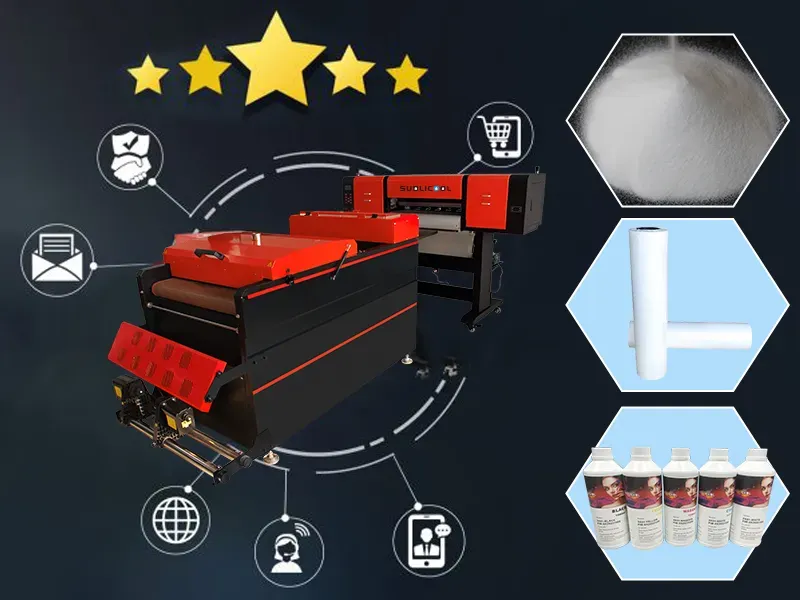
DTF technology, or Direct-to-Film printing, is revolutionizing the textile sector by delivering high-quality, sustainable printing solutions. As the demand for eco-friendly practices increases, DTF provides a modern approach that significantly reduces waste and enhances productivity in custom apparel printing. Unlike traditional methods such as sublimation and screen printing, which can be cumbersome and resource-intensive, DTF offers versatility and efficiency. With its ability to print intricate designs in vibrant colors directly onto films, this technology is quickly gaining traction among brands aiming to stay competitive in the market. Embracing DTF technology is essential for anyone looking to thrive in the evolving landscape of sustainable textile printing.
Direct-to-Film printing, often abbreviated as DTF, signifies a groundbreaking shift in the fabric printing arena. This innovative process allows for detailed and colorful designs to be seamlessly transferred onto a variety of materials, promoting a more sustainable approach compared to conventional methods. As advancements continue, this form of textile processing stands out for its ability to cater to a wide range of creative needs while minimizing environmental impact. The comparison between DTF and other printing techniques, such as sublimation, highlights DTF’s superior adaptability and efficiency. Consequently, grasping the nuances of this transformative technology is pivotal for brands and individuals dedicated to leading the charge in sustainable apparel manufacturing.
Exploring the Fundamentals of DTF Technology
Direct-to-Film (DTF) technology encapsulates an innovative printing method that strives to simplify the process of transferring designs onto various fabrics. Unlike traditional methods which often waste resources and involve complex setups, DTF operates on a more streamlined model. It employs a special film to print images which are then transferred to the fabric through heat application. This reduces not only the time spent on setup but also the amount of material that typically goes to waste in other printing processes, making it a compelling option for companies aiming to enhance operational efficiency.
Additionally, DTF technology allows for high-definition, vibrant prints that maintain their quality over time. The direct application of ink onto the film before transferring to the fabric means that colors are bright and detailed, leading to a superior customer experience. As modern consumers become increasingly discerning about the quality and sustainability of apparel, technologies like DTF that promise minimal environmental impact and high-quality results are perfectly positioned to meet this growing demand.
Frequently Asked Questions
What is DTF Technology and how does it work in custom apparel printing?
DTF Technology, or Direct-to-Film printing, is a modern textile printing method that involves printing designs onto a special film, which is then heat-pressed onto fabric. This process enables vivid colors and intricate details, making it a preferred choice for custom apparel printing. Unlike traditional methods, DTF minimizes setup costs and chemical use, promoting sustainability in textile production.
How does DTF printing compare to sublimation printing?
When comparing DTF technology to sublimation printing, one key difference is versatility. DTF can print on a wide range of materials, including cotton, while sublimation is primarily effective on polyester-based fabrics. This makes DTF a more flexible option for custom apparel printing, as it can accommodate various styles and fabric types without compromising on quality.
What are the sustainability benefits of DTF technology in textile printing?
DTF technology promotes sustainability by significantly reducing waste compared to traditional printing methods. It uses precise amounts of ink, minimizing excess material use and energy consumption. This eco-friendly approach aligns with growing consumer demand for sustainable textile printing practices, making DTF an attractive option for environmentally conscious brands.
What are the potential challenges in using DTF printers?
While DTF printers offer many benefits, potential challenges include issues such as white ink clogging, which can affect print quality. Regular maintenance and careful selection of printer models, such as those reviewed in DTF printer reviews, are essential to ensure optimal performance and longevity of DTF equipment in the custom apparel printing process.
Can DTF technology be used for printing on materials other than textiles?
Yes, DTF technology can be utilized for printing on various surfaces beyond textiles, including wood and acrylic. This versatility allows businesses to expand their product offerings beyond custom apparel printing, catering to a wider range of creative projects and promotional items, making DTF a leading choice in diverse printing applications.
What advancements are anticipated in DTF technology for the future of textile printing?
The future of DTF technology in textile printing looks promising, with upcoming innovations focusing on automation and enhanced efficiency. These advancements are expected to streamline the printing process, make high-quality production more accessible, and improve quality control, positioning DTF as a crucial element in the evolving landscape of sustainable textile printing.
| Key Point | Description |
|---|---|
| Sustainability | DTF technology reduces waste and employs eco-friendlier processes compared to traditional methods. |
| Expanded Capabilities | DTF allows for a wider range of colors and intricate designs, adaptable to various fabric types. |
| Efficiency & Automation | Innovations in automation increase production speed while enhancing quality control. |
| Versatility | DTF can print on various surfaces beyond textiles, contrasting with the limitations of sublimation. |
| Market Growth & Equipment Reviews | Increased attention to DTF printers highlights advancements and challenges for businesses. |
Summary
DTF Technology is revolutionizing the textile printing landscape with its innovative, sustainable approach that resonates with modern consumer expectations. This technology not only streamlines the printing process, minimizing waste and maximizing efficiency, but also offers unparalleled versatility for a wide range of fabrics and surfaces. As brands pivot towards eco-friendly practices, DTF stands out as a preferred solution, providing options that meet both environmental and artistic demands. Understanding DTF technology is essential for industry stakeholders who wish to innovate and remain competitive in a rapidly evolving market.