
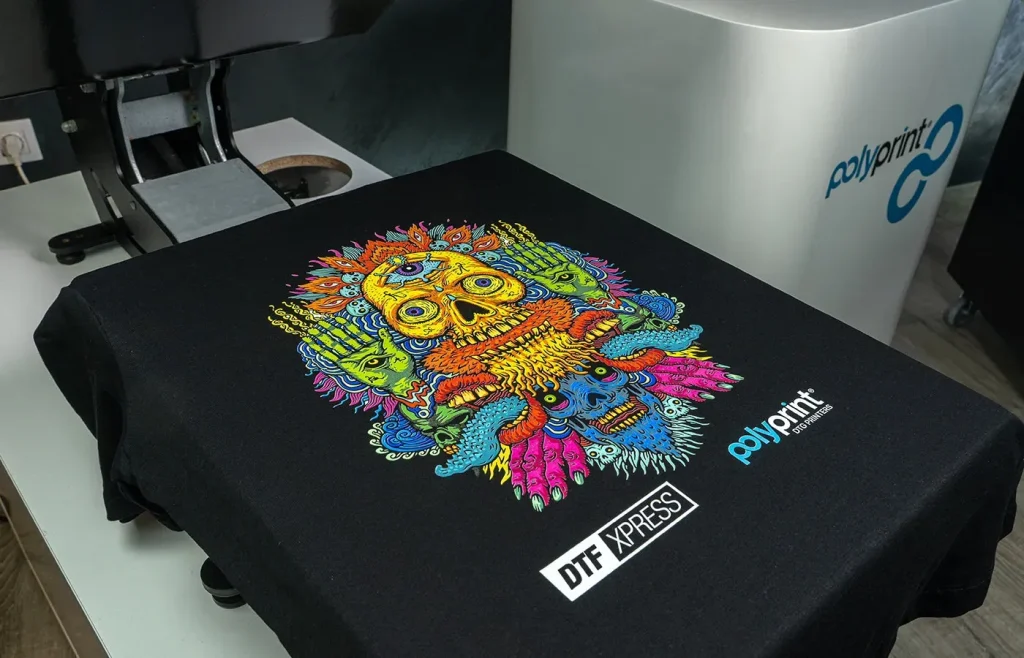
DTF printing, or Direct-to-Film printing, is revolutionizing the custom apparel landscape with its innovative approach to design transfer and production. Unlike traditional methods, DTF technology allows for stunningly vibrant colors and intricate details to be applied to a variety of fabric types, including cotton and polyester. This unique printing solution not only enhances the quality of apparel printing but also significantly reduces production times and costs. As demand for personalized clothing options grows, businesses are increasingly turning to DTF printing for their custom printing solutions, ensuring they stay competitive in a bustling market. In this article, we will dive into why DTF printing is heralded as the future of custom apparel and the exciting developments shaping its trajectory in the industry.
Direct-to-Film printing, often referred to as DTF technology, is gaining traction as a preferred method in the apparel printing sector. This innovative printing technique enables creators to transfer their designs seamlessly onto various textiles, appealing to the rising trend of custom clothing. As entrepreneurs and artists seek efficient means to produce unique garments, DTF printing offers a versatile alternative to traditional methods like screen printing and heat transfers. By maximizing color vibrancy and durability, it paves the way for a new era in custom apparel, catering to both large-scale businesses and independent designers. With an emphasis on accessibility and affordability, this printing solution embodies the future of personalized apparel production.
The Rise of Direct-to-Film Printing in Custom Apparel
Direct-to-Film (DTF) printing is revolutionizing the landscape of custom apparel, offering an efficient alternative to traditional methods. As designers and businesses seek faster and more flexible solutions, DTF stands out with its ability to produce vibrant and detailed prints on a variety of fabrics. This technology not only enhances the quality of apparel but also accelerates the production process, enabling quick turnarounds for customers who want their unique styles within limited timeframes.
Moreover, DTF printing eliminates many of the limitations faced by earlier printing techniques, such as screen printing, which often requires extensive setup time and can be costly for small runs. The versatility of DTF technology allows for experimenting with various materials, from cotton to blends, thus broadening the range of custom apparel options available to consumers. As a result, businesses can cater to an increasingly tailored market that values individuality in their fashion choices.
Understanding the Mechanics of DTF Technology
DTF technology works by printing designs onto a specialized film that is applied to fabric using heat transfer methods. This process allows for intricate designs with a multitude of colors to be replicated with precision. Unlike traditional screen printing, which can become unwieldy with complex color schemes, DTF makes it easy to bring vivid visuals to life, resulting in high-quality custom apparel that stands out in a crowd.
The mechanics of DTF printing involve using a special printer and specific inks that adhere well to various fabrics. The printed film is then combined with an adhesive powder that enhances stickiness during the heat transfer process. This innovation not only simplifies production but also ensures that the final product is durable, allowing wearers to enjoy their custom garments without concern for wear and tear.
Benefits of Investing in DTF Printing Equipment
Investing in DTF printing equipment presents significant advantages for businesses looking to expand their custom printing capabilities. The durability and quality of DTF prints are major selling points, as they are engineered to withstand multiple washes while retaining their color vibrancy and detail. This reliability makes it a favorite among customers seeking long-lasting apparel, ultimately leading to higher customer satisfaction and repeat business.
Additionally, the affordability of DTF printing in comparison to other custom printing solutions allows small businesses and independent designers to enter the market with minimal financial burden. By simplifying the setup and production processes, DTF technology empowers creators to diversify their product offerings while keeping production costs manageable. This opens the door to creativity and innovation within the apparel industry.
Navigating the Challenges of DTF Printing
Despite the numerous benefits of DTF printing, it is essential to address some of the challenges that come with this technology. The initial investment required for high-quality DTF printers and materials can be steep for some businesses. This upfront cost may hinder new entrants from exploring DTF printing as a viable option for custom apparel.
Furthermore, there is a learning curve associated with mastering DTF techniques, which can deter individuals unfamiliar with printing processes. Some may find it challenging to get the desired results without prior experience, emphasizing the need for educational resources and training. As the market continues to grow, it will be pivotal for suppliers to offer support and guidance to help users navigate these initial hurdles.
Emerging Trends and Innovations in DTF Printing
The DTF printing industry is constantly evolving, with emerging trends and innovations that promise to shape the future of custom apparel. For instance, manufacturers are unveiling advanced DTF printers that boast increased speed and quality, making it feasible for businesses to meet rising consumer demand. Recent product launches, such as compact DTF printers tailored for specific markets, demonstrate an emphasis on accessibility in this growing segment.
Additionally, major exhibitions within the industry serve as platforms for showcasing collective progress in DTF technology. Events like FESPA allow businesses to display their latest innovations, attracting significant attention from industry professionals. The exchange of ideas and techniques at these gatherings is likely to spur further advancements, reinforcing DTF’s position as a leading method in apparel printing.
The Future of Custom Apparel with DTF Technology
Looking ahead, DTF technology is poised to play a pivotal role in the evolution of custom apparel. As more entrepreneurs recognize the potential of direct-to-film printing, it is likely that the demand for personalized and unique clothing will continue to grow. This shift not only impacts businesses but also encourages creativity among consumers who are increasingly seeking ways to express their individuality.
Moreover, the continuous development of DTF printing techniques and solutions highlights the adaptability of this technology in responding to market needs. With the industry focused on sustainability and user-friendly processes, it is anticipated that DTF will drive innovations not just in printing, but across all facets of the custom apparel supply chain. As a result, the future looks bright for DTF as it solidifies its status as a cornerstone of contemporary fashion.
Frequently Asked Questions
What is DTF printing and how does it work?
DTF printing, or Direct-to-Film printing, is a method where designs are first printed onto a special film and then transferred onto fabric using heat. This innovative technology allows for vibrant colors and detailed designs, making it a popular choice for creating custom apparel.
What are the key benefits of using DTF printing for custom apparel?
DTF printing offers several advantages for custom apparel, including high-quality and durable prints that withstand multiple washes, versatility in printing on various materials like cotton and polyester, cost-effectiveness, and strong customization capabilities for on-demand printing.
How does DTF technology compare to traditional screen printing?
DTF technology surpasses traditional screen printing by eliminating color limitations and long production times. It allows for detailed designs, vibrant colors, and can print on a variety of fabrics, making it a more flexible solution for custom apparel needs.
What types of materials can be used with DTF printing?
DTF printing is highly versatile and can be used on a range of materials including cotton, polyester, and blends, making it suitable for various custom apparel applications. This adaptability is one of the key features that makes DTF technology popular.
Is DTF printing cost-effective for small businesses?
Yes, DTF printing is cost-effective, especially for small businesses and individual creators. The initial investment is lower compared to other custom printing methods, and it allows for producing high-quality apparel without the need for large batch orders.
What challenges might users face when starting with DTF printing?
Users may encounter challenges such as the initial investment cost for high-quality DTF printers, a learning curve in mastering DTF techniques, and increasing competition in the market as more businesses adopt DTF printing.
| Key Points of DTF Printing | ||
|---|---|---|
| High Quality and Durability | DTF prints maintain their vibrancy and detail after multiple washes, ideal for frequently worn custom apparel. | |
| Versatility | Compatible with various materials like cotton and polyester, making it suitable for a wide range of apparel. | |
| Affordability | Low startup costs for small businesses and individual designers, allowing access to high-quality production. | |
| Customization Capabilities | Perfect for on-demand printing, allowing easy creation of personalized products for consumers. | |
Summary
DTF printing is revolutionizing the custom apparel industry by providing a cutting-edge approach to design and production. This innovative technology allows for vibrant, durable prints that can withstand the test of time, making it a favorite among both consumers and producers. DTF printing enables versatility across various fabrics and materials, ensuring that users can create unique, high-quality apparel tailored to any audience. As the market continues to expand with new developments, such as more affordable equipment and educational resources, DTF printing is set to become an essential tool for anyone involved in custom fashion design. Embracing DTF printing offers a path to success in an increasingly competitive industry, where personalization and quality are paramount.