
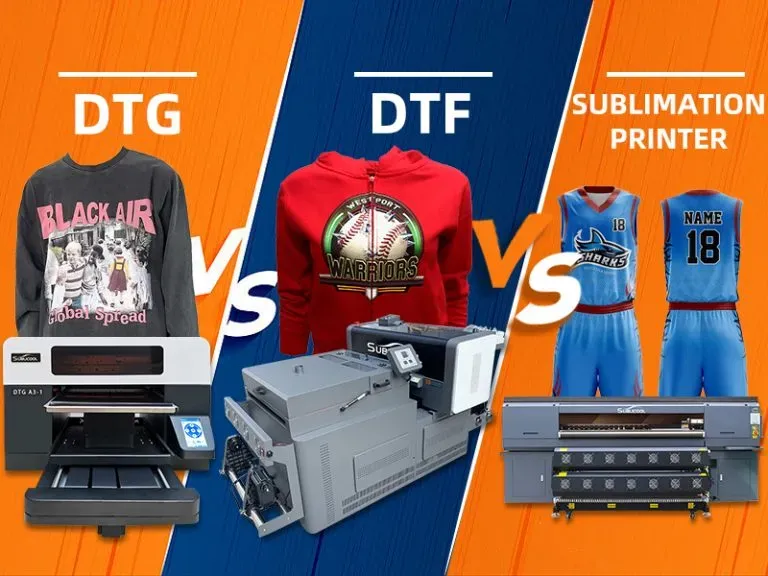
When exploring the realm of custom apparel printing, the debate between DTF vs DTG is a hot topic among designers and businesses alike. Both DTF printing (Direct to Film) and DTG printing (Direct to Garment) serve distinct purposes in the garment printing techniques landscape, catering to different needs and materials. While DTF printing lends itself to versatility across fabric types, DTG excels in creating intricate designs on cotton textiles. This introduction to DTF and DTG highlights the importance of selecting the right printing method for your project’s success. From vibrant colors to detailed graphics, understanding these printing methods is crucial for fulfilling customer demands and elevating your brand’s offering.
In the quest for quality garment prints, two prominent techniques often come to the forefront: Direct to Film and Direct to Garment printing. These sophisticated printing methods are invaluable in the world of personalized and artistic apparel production. Each approach comes with its unique set of capabilities and limitations, making it essential to discern which suits your needs best. As the demand for custom designs rises, understanding these advanced garment printing techniques can empower sellers and creators to deliver exceptional results. This overview aims to shed light on the characteristics of each method, helping you navigate the exciting field of modern printing.
Exploring DTF Printing in Depth
DTF printing, or Direct to Film printing, utilizes a film to transfer designs onto fabrics. This cutting-edge method is increasingly popular due to its ability to work on a variety of material types, including cotton, polyester, and even blends. As a consequence, it provides businesses and creators with the flexibility to produce high-quality custom apparel with vibrant colors and intricate patterns. By using a heat transfer process, the ink adheres securely to the substrate, promising durability and resistance to wear over time.
One of the standout features of DTF printing is its efficiency for larger production runs. Compared to traditional methods, businesses can save both time and costs, making it an attractive option for those looking to produce bulk orders. Furthermore, the ability to print detailed graphics opens opportunities for personalized items, ensuring that every piece stands out. Whether it’s custom apparel for an event or branded merchandise, DTF offers superb versatility in garment printing techniques.
A Detailed Look at DTG Printing
Direct to Garment (DTG) printing operates by using specialized inkjet technology to directly print designs onto garments. This method is particularly well-suited for 100% cotton fabrics, where it excels in rendering detailed artwork with exceptional color depth and precision. The ability to generate intricate designs without the need for screens or setups allows DTG to be an excellent choice for short-run jobs and unique custom prints. This flexibility is highly valuable for businesses aiming to meet specific client requests and more personalized items.
However, it’s important to note the limitations of DTG printing. While it provides stunning quality on cotton, the results may not be as impressive on synthetic materials. Additionally, the higher ink consumption in DTG can increase production costs, particularly for large-scale print runs. Ultimately, businesses should weigh these factors carefully when deciding if DTG is the right printing method for their needs.
Pros and Cons of DTF vs DTG
When deciding between DTF and DTG printing, understanding the pros and cons of each method can significantly influence your decision. DTF printing stands out for its versatility in handling various fabric types, from cotton to polyester blends. This makes it an excellent option for brands looking to offer diverse products. Furthermore, its cost-effectiveness shines in bulk production, allowing businesses to optimize their strategies while still delivering high-quality prints.
On the other hand, DTG printing offers a level of detail and color accuracy that is hard to match. Ideal for custom jobs and short runs, it permits creatives to showcase intricate designs in vibrant hues. However, the costs associated with DTG can be a drawback for businesses planning larger orders, where the efficiency of DTF would be more beneficial. Both methods have distinct characteristics that cater to different needs, making an informed choice essential.
Fabric Compatibility: DTF and DTG Comparison
Fabric compatibility is a critical factor to consider when choosing between DTF and DTG printing methods. DTF printing is remarkable for its ability to adhere to a multitude of materials, including cotton, polyester, and blends. This quality gives businesses broader options for creating custom apparel tailored to specific markets or consumer demands. Companies looking to expand their offerings should take note of DTF’s flexibility and capacity to handle various fabrics.
In contrast, DTG printing is predominantly effective on 100% cotton garments and may not yield satisfactory results on synthetic fabrics. This limitation can affect production decisions, especially for brands targeting a wide array of materials. When determining the ideal printing method, it’s crucial to evaluate the types of textiles involved and the potential impact on print quality and durability.
Analyzing Market Trends in Apparel Printing
The landscape of custom apparel printing is continuously evolving, with significant trends emerging around DTF and DTG technologies. DTF has seen a notable rise in popularity in recent years, driven primarily by its efficiency in bulk printing and adaptability to various garment types. As businesses aim to keep up with consumer demand for fast and versatile options, the DTF method aligns perfectly with contemporary market needs, making it a preferred choice among many.
Conversely, DTG printing remains a strong contender, especially in niche markets where quality and detail are paramount. As personalized clothing and unique designs gain traction, companies leveraging DTG’s strengths can cater to customers seeking high-quality, custom items. By staying attuned to these market trends, businesses can adjust their strategies effectively to meet customer expectations and capitalize on the growing demand for innovative printing methods.
Choosing the Right Printing Method for Your Needs
Deciding between DTF and DTG printing hinges on a thorough assessment of project requirements. Essential considerations include the volume of prints needed, fabric types, design complexity, and overall budget. For businesses targeting large production runs with diverse fabric options, DTF often presents the most pragmatic solution. Its efficiency makes it a top pick for those who need to produce many items while maintaining quality.
Alternatively, if the aim is to create custom garments with intricate designs primarily on cotton fabrics, DTG may be the way to go. Its ability to deliver sharp, vibrant prints on limited runs sets it apart for artists and businesses offering personalized apparel. By carefully evaluating these factors, you can make an informed decision that aligns with your operational needs and creative vision.
Frequently Asked Questions
What is the main difference between DTF printing and DTG printing?
The primary difference between DTF (Direct to Film) printing and DTG (Direct to Garment) printing lies in their application methods. DTF printing transfers designs onto a special film before applying them to the fabric, making it versatile for various materials including cotton and polyester. In contrast, DTG printing directly applies ink onto garments, predominantly working best with cotton-based fabrics.
Which printing method is more cost-effective for bulk orders: DTF vs DTG?
DTF printing is generally more cost-effective for bulk orders due to its lower ink consumption and ability to efficiently handle larger production runs. On the other hand, DTG printing may incur higher costs, especially for larger quantities, because of increased ink usage and setup costs.
Can you use DTF printing on different fabric types compared to DTG printing?
Yes, DTF printing offers greater material versatility as it can be applied to a variety of fabrics, including cotton, polyester, and blended materials. DTG printing, however, is primarily effective on 100% cotton, limiting its use on synthetic fabrics.
For custom apparel printing, which method should I choose: DTF or DTG?
The choice between DTF and DTG for custom apparel printing depends on your specific needs. If you require vibrant colors and design versatility across different fabrics, DTF is ideal. Conversely, if detailed designs on cotton garments are your focus, DTG would be the better choice due to its exceptional detail quality.
What are the advantages of DTF printing over DTG printing?
DTF printing has several advantages over DTG printing, including its ability to print on various materials, cost-effectiveness for bulk orders, and the production of vibrant, high-detail prints. This flexibility makes DTF a popular choice for businesses requiring diverse fabric options.
Is DTG printing suitable for small batches of custom designs?
Yes, DTG printing is particularly well-suited for small batches of custom designs due to its lack of setup costs associated with traditional printing methods. This makes it an ideal option for one-off prints and highly detailed artwork on cotton-based garments.
| Key Points | DTF Printing | DTG Printing |
|---|---|---|
| Technique Overview | Transfers design from film to fabric using heat. | Sprays ink directly onto the garment. |
| Fabric Compatibility | Can print on various materials including cotton and polyester. | Best results typically on 100% cotton fabrics. |
| Cost Efficiency | More economical for larger orders due to lower ink use. | Higher ink costs can be a disadvantage for large runs. |
| Print Quality | Excels in vibrant colors and intricate details. | Provides detailed designs with excellent color depth. |
| Setup Complexity | Initial setup can be more complex and requires special equipment. | Easier setup, especially for small runs. |
Summary
In the debate of DTF vs DTG printing, it is essential to weigh the unique advantages and challenges each method presents. DTF printing stands out for its versatility across different fabric types and cost efficiency for larger orders, making it a favorite for businesses that prioritize adaptability. On the other hand, DTG printing excels in delivering high-quality printed designs, particularly on cotton, and is perfectly suited for custom and smaller batch jobs. As you assess your printing needs, understanding these distinctive characteristics will empower you to choose the right method that aligns with your specific project requirements.